Principal Investigators
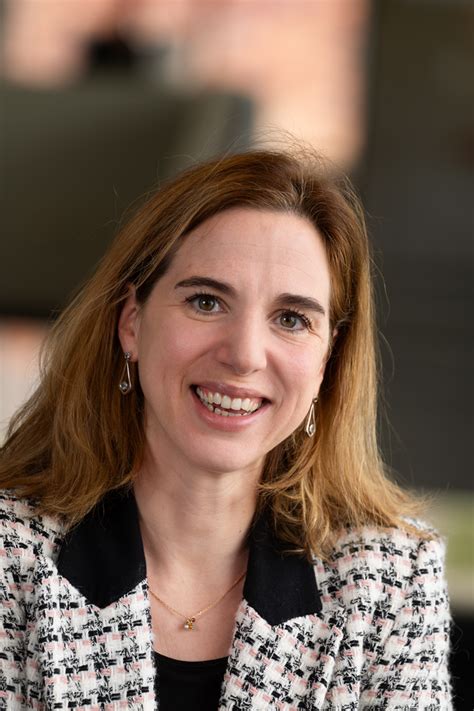
Dr. Sílvia Majó-Vazquez
Assistant Professor, Vrije Universiteit Amsterdam
Sílvia Majó-Vázquez is Assistant Professor at the Vrije Universiteit Amsterdam and Research Associate at the Reuters Institute for the Study of Journalism. Her research examines how digital technologies and online platforms are reshaping news consumption, political information flows, and democratic engagement. Drawing on computational methods, network science, and digital trace data, she studies how audiences navigate news across platforms and countries, with a particular focus on the role of social media and AI-driven systems in shaping media diversity and political attitudes.
Her work has been published in leading journals including Proceedings of the National Academy of Sciences, Political Communication, and Journal of Communication, and has informed policy briefings for organizations such as the UNDP, EU, NATO, and UK Parliament. Recognized with major international awards and grants, including the KNAW Early-Career Partnership and the Ramón y Cajal Fellowship, she is also an active leader in the field of computational communication research and frequently contributes expertise to public and policy debates on the integrity of political information online.
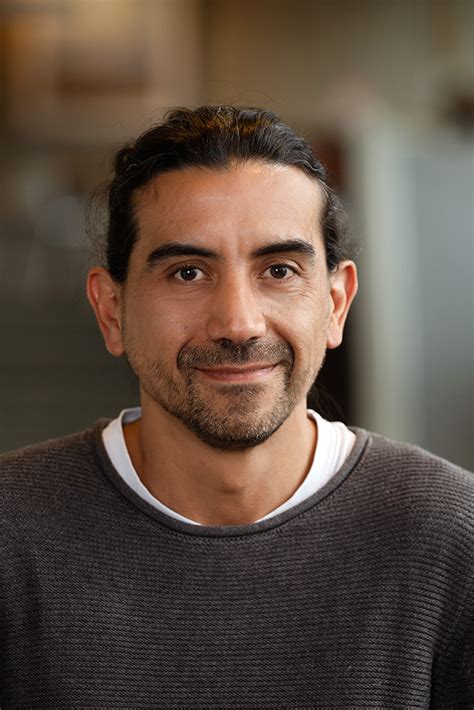
Dr. Daniel Preciado Vanegas
Assistant Professor, Vrije Universiteit Amsterdam
Daniel F. Preciado Vanegas is Assistant Professor at the Department of Communication Science and the Network Institute at Vrije Universiteit Amsterdam, where he is part of the Media Psychology group. His research focuses on the psychological and physiological effects of social robots and artificial agents, exploring how people perceive, interact with, and respond to emerging technologies across contexts such as healthcare, education, mental health, news dissemination, and everyday personal use.
With a PhD in Cognitive Psychology from Vrije Universiteit Amsterdam, his work combines insights from cognitive and emotional processes with human–robot interaction research to better understand attention, perception, and social behavior in interactions with artificial agents. Using a wide range of methodologies, he investigates how social robots can be implemented effectively and responsibly to support human wellbeing. His collaborations bridge psychological science and technological development, contributing to both theoretical advances and practical applications in human-centered AI, contributing to both theoretical advances and applications.
Researchers
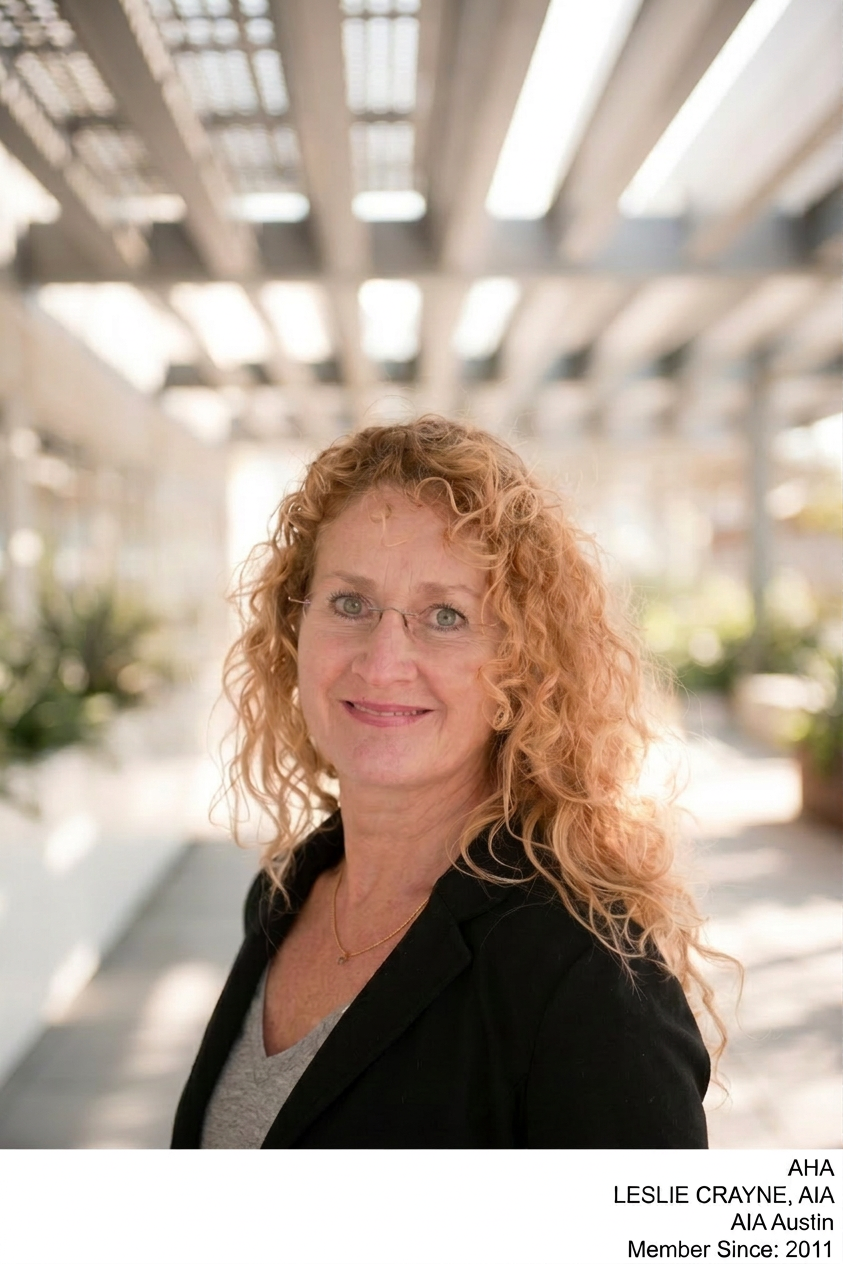
Prof. Dr. Elly Konijn
Elly Konijn is Full Professor of Media Psychology & Social Robotics at the Vrije Universiteit Amsterdam and founder of the Media Psychology Amsterdam program. Her research explores how people relate to media figures, virtual humans, and social robots, with a particular focus on human–robot relationship formation supported by a European Research Council Advanced Grant through the Robot Bond project.
In addition, her work examines emotions and media-based reality perceptions, as well as media use among adolescents, including topics such as cyberbullying, video game effects, body image, and online self-presentation.
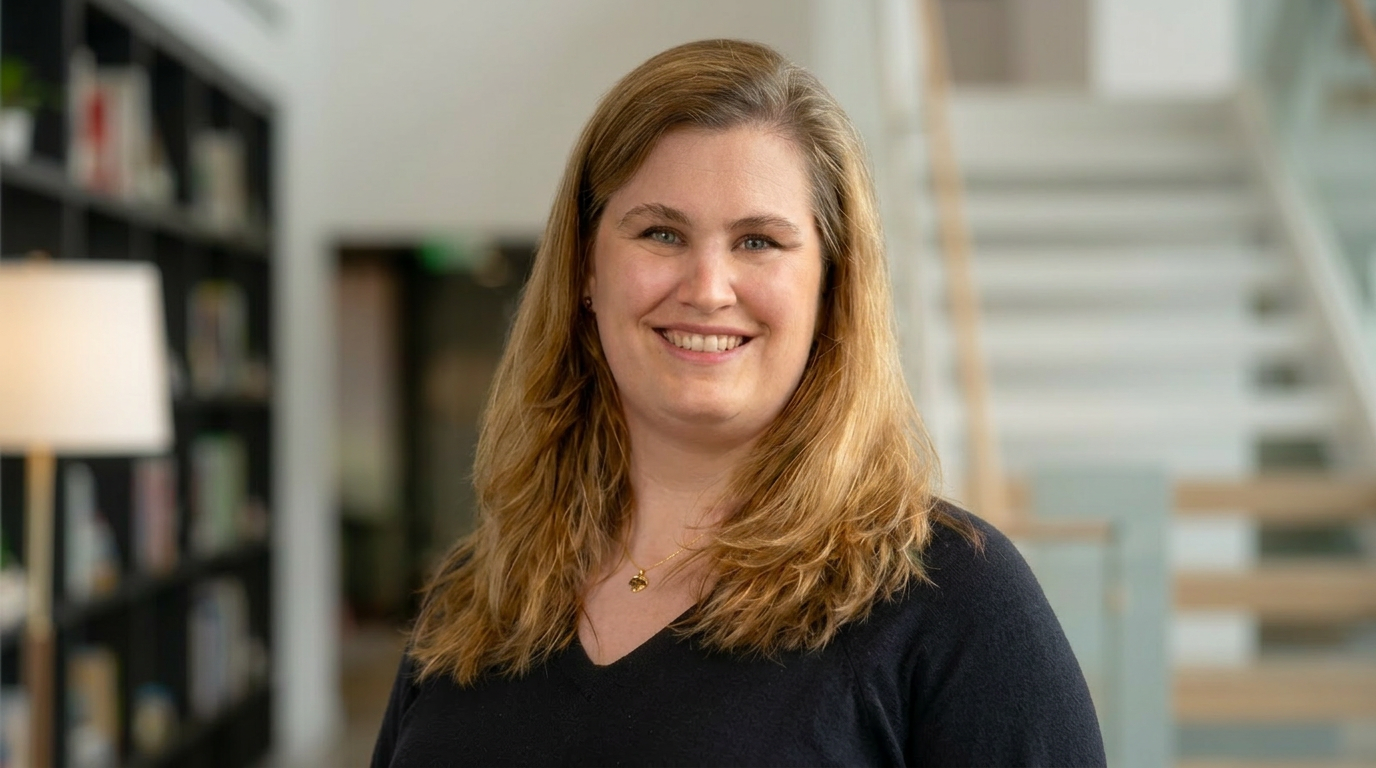
Dr. Mariken van der Velden
Mariken van der Velden serves as co-Director of the ReSCU R&I Lab and specializes in political communication, political behavior, and computational social science.
Her work examines how political communication shapes democratic legitimacy, political decision-making, and electoral outcomes in multi-party systems. Using advanced computational methods, she studies topics including political compromise, government communication, and multilingual text analysis, with research supported by major grants from the Netherlands Organisation for Scientific Research and the European Research Council
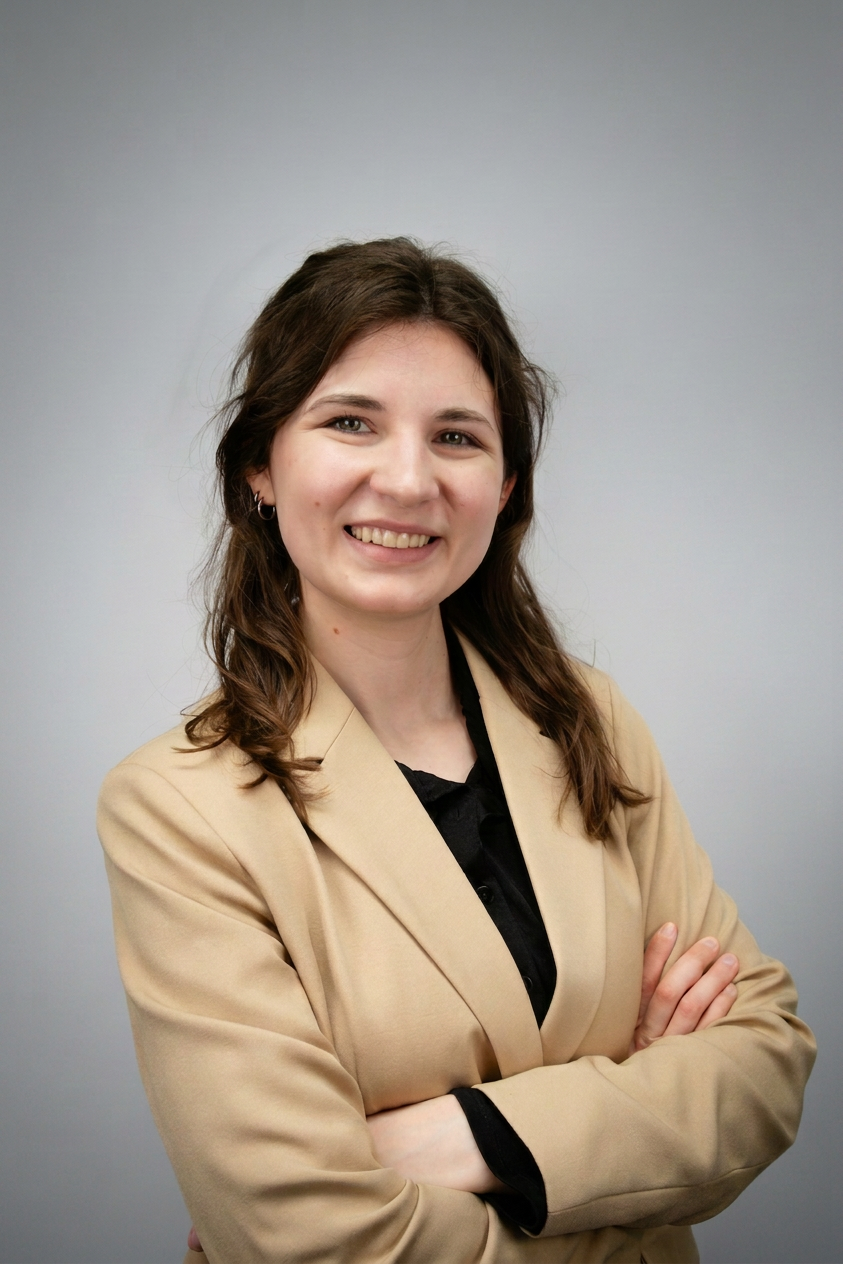
Summer Skillen
Summer Skillen is a PhD candidate at the Strategic Communication Group at Wageningen University & Research. She received her MSc from Vrije Universiteit Amsterdam in Social Sciences for a Digital Society, where she was a research assistant on two projects. One focused on the role of AI agents in mediating news consumption, and the other on news encounters in multiplatform data donations.
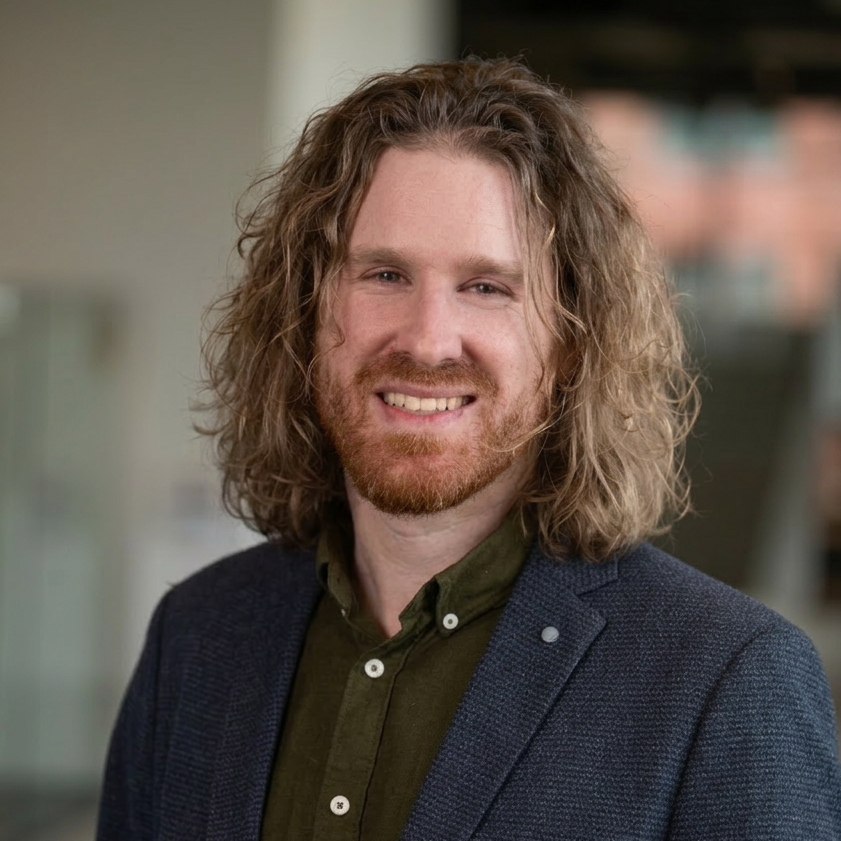
Dr. Kasper Welbers
Kasper Welbers is an Associate Professor at the Department of Communication Science. His research combines methodological contributions in the field of computational communication science with substantive research in the areas of journalism and political communication. A central theme in his work is how news gets around and who the most important gatekeepers are in this process. In addition to publishing research, he is an open-source developer of research tools and infrastructure.
Research Assistants
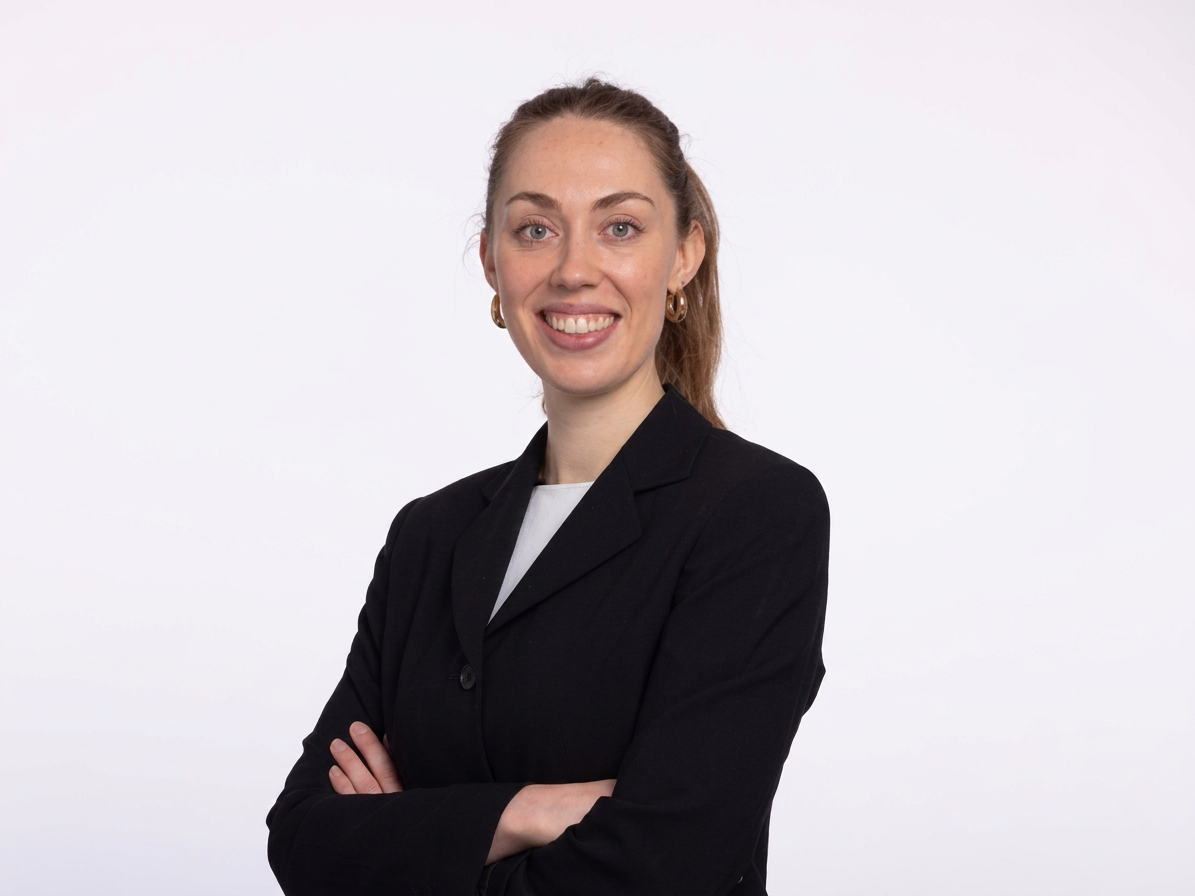
Henrike Deitert
Henrike holds a Bachelor’s degree in Psychology and is currently pursuing a Research Master in Social Psychology at Vrije Universiteit Amsterdam.
Her research interests include media psychology and new technologies, intergroup dynamics, political psychology, and close relationships.
By combining scientific research with communicative work, she is interested in engaging with social and political challenges and bridging science and society.
Connect on LinkedIn
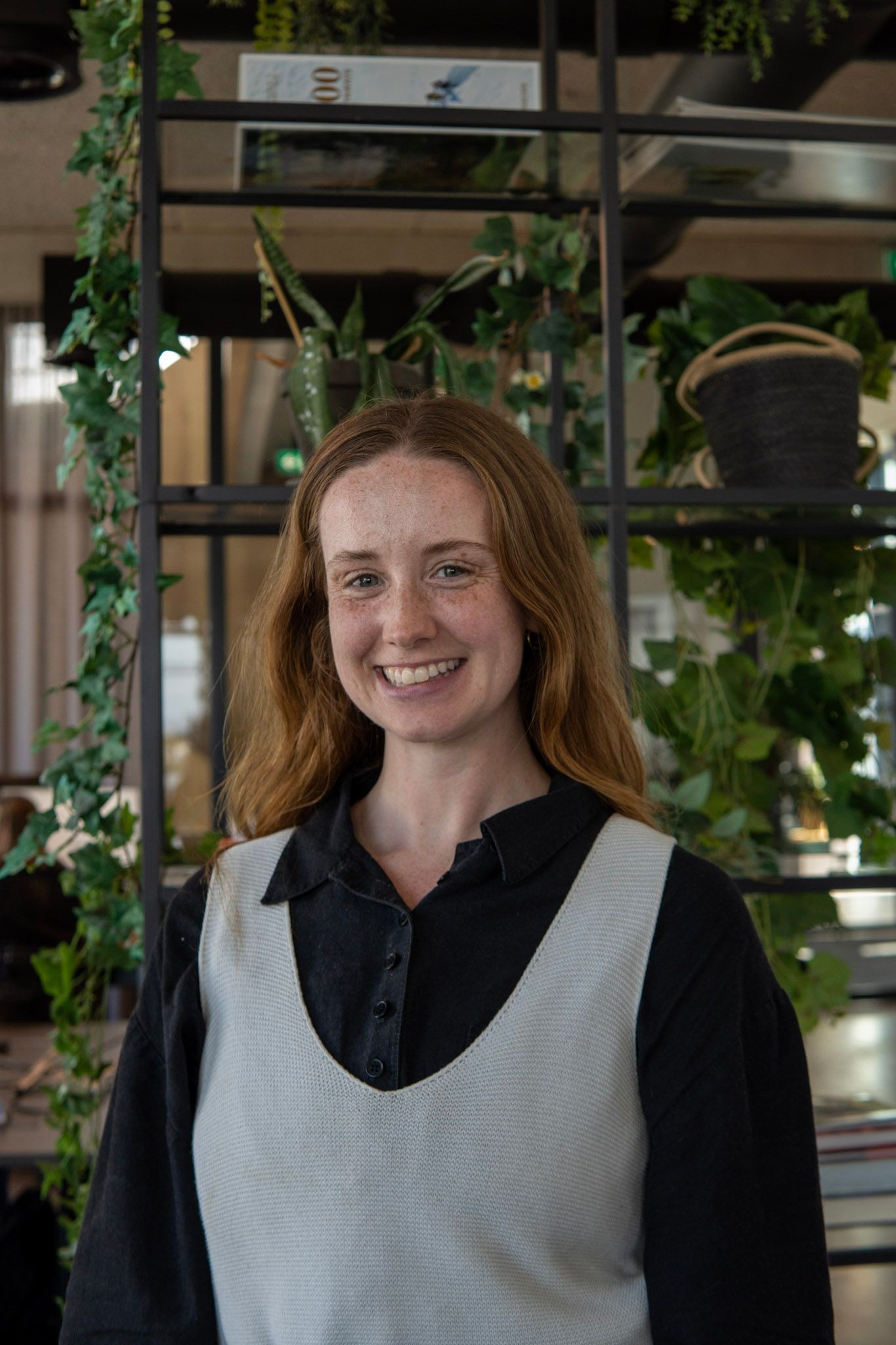
Olivia Garrison
Olivia is a researcher in political communications and digital media, with a focus on how social media environments and political influencer ecosystems shape democratic belonging, political behavior, and institutional trust among young citizens.
Her work combines perspectives from both media studies and political science. Additionally she has studied in Germany, the Netherlands, and the United States, developing a comparative interest in how citizens in different democratic contexts use social media to access and understand political information.
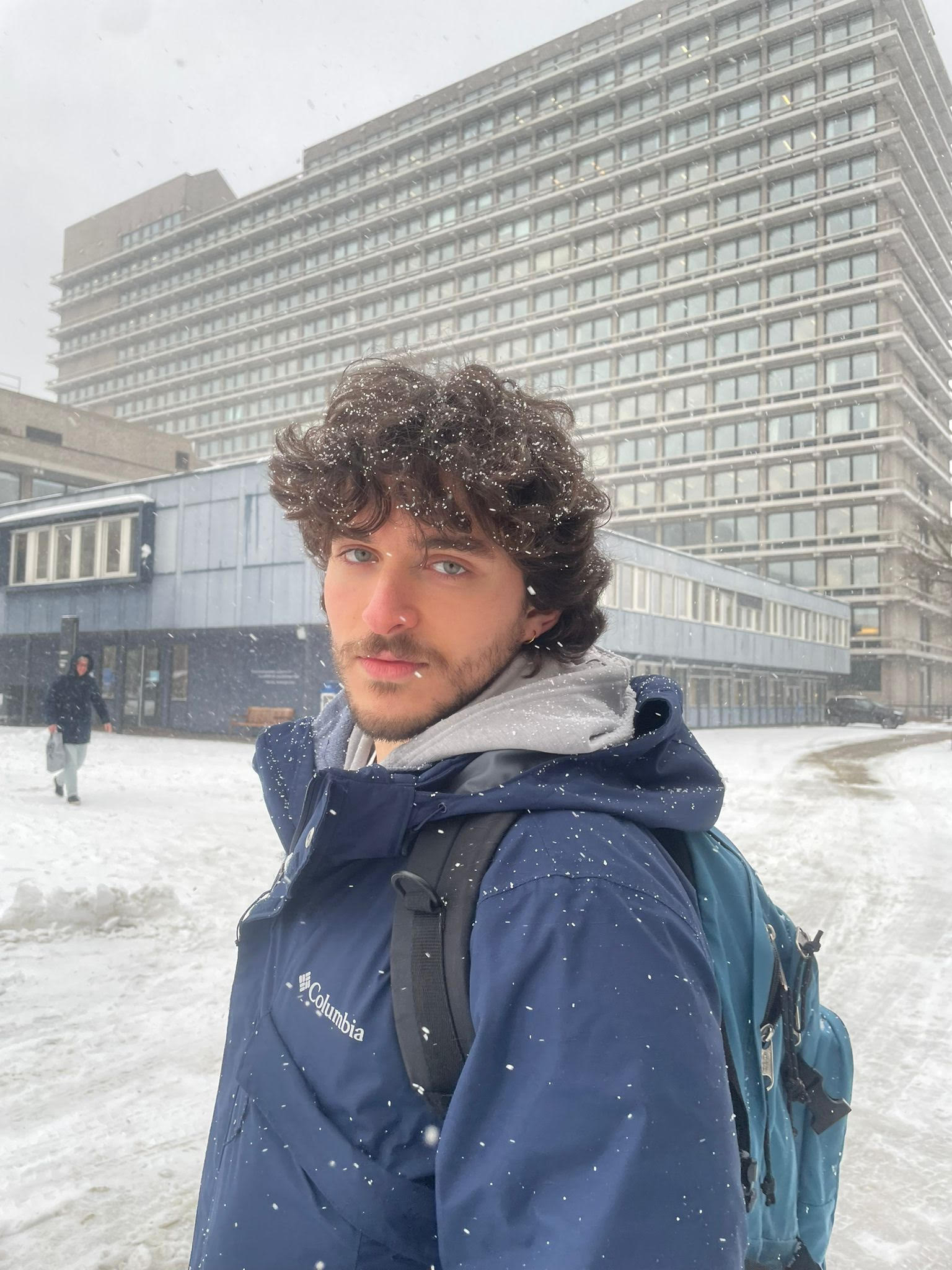
Lorenzo Romagnoli
Lorenzo Romagnoli holds a Bachelor’s degree in Cognitive Psychology and Psychobiology, a Master’s degree in Science and Health Communication from University Vita-Salute San Raffaele, and is now pursuing a Research Master in Social Psychology at Vrije Universiteit Amsterdam. He focuses on moral and political psychology and on how the media shapes perception of societal and health issues.
He also works as a freelance scientific journalist, discussing misinformation and false narratives through the lens of science.


